

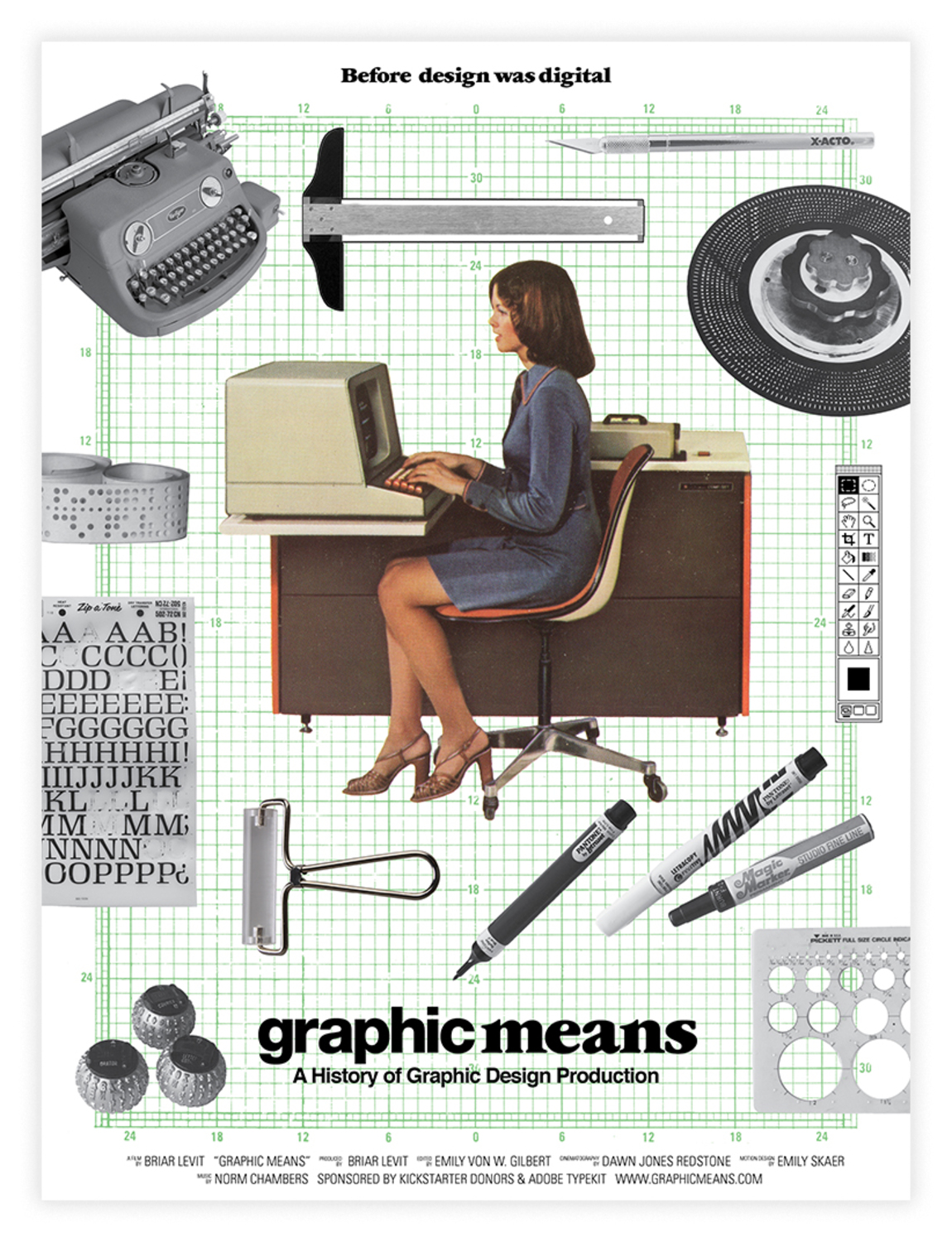
Re-introducing: GRAPHIC MEANS: A History of Graphic Design Production—A journey through this transformative Mad Men-era of pre-digital design production to the advent of the desktop computer. It explores the methods, tools, and evolving social roles that gave rise to the graphic design industry as we know it today.
The University of Baltimore Library & Archives community is invited to take a break from your studies—unless you study graphic design and this is research!—and go old school with this hour-and-a-half-long documentary about pre-Internet graphic design, GRAPHIC MEANS: A History of Graphic Design Production.
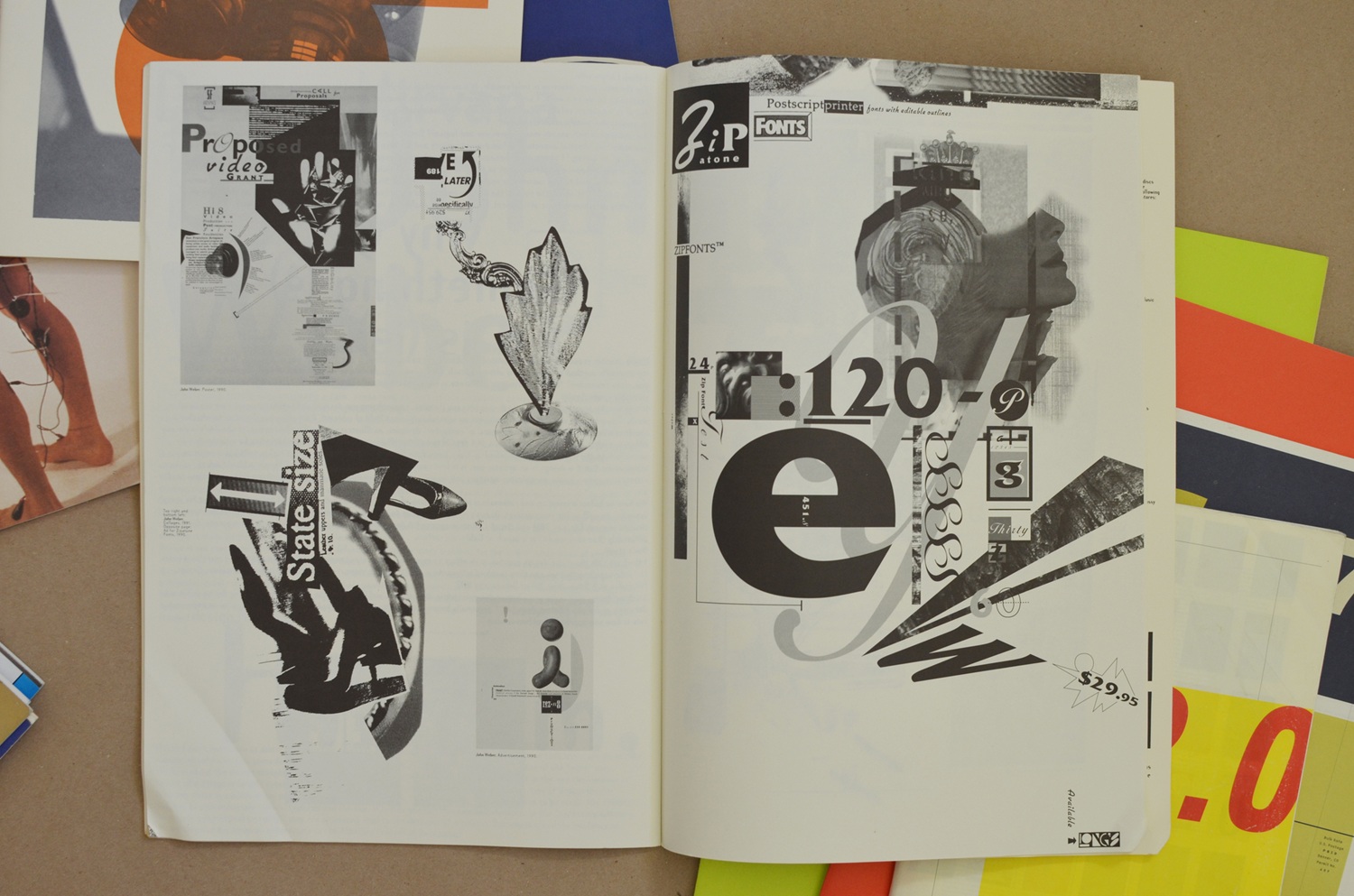
Producer/director of Graphic Means, Briar Levit studied design in the mid-nineties, but was drawn to an earlier period of design, accumulating a massive collection of design production manuals (1960s, 70s, and 80s) from Goodwill over the years. Having worked almost exclusively with a computer during their education and after, Levit says, “Having had some vague knowledge about production before the Mac, but it was only based on brief references my teachers made, or the little-used-tools that remained in various studios I worked in. It occurred to me that if I knew so little, my graphic design students know even less! So with this, I set out to document the tools, processes, and people, of this brief moment in the design world.”
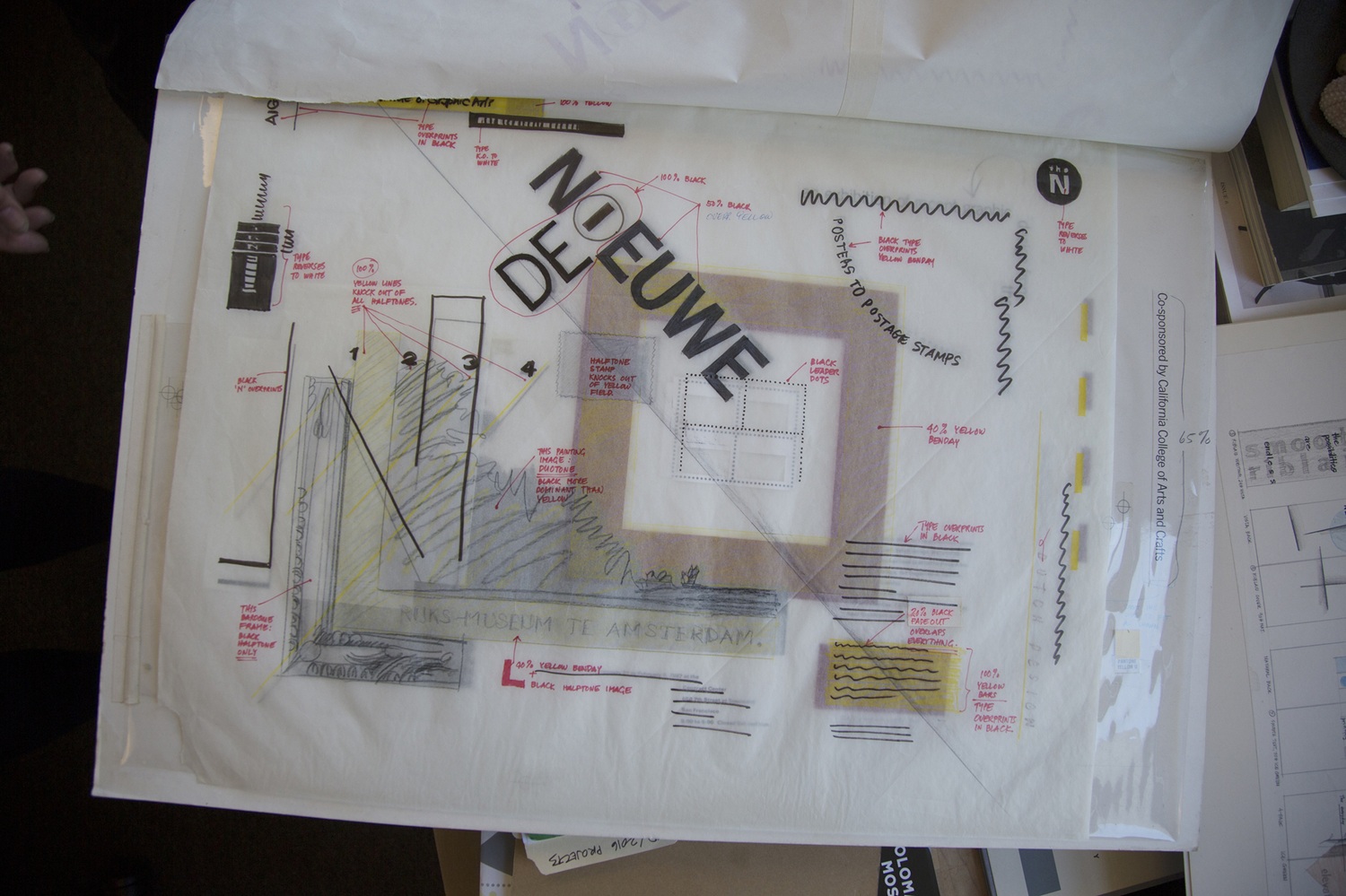
Just click on this link (and please be logged-in) and scroll down for Permanently Licensed Films: Streaming Video Resources. Or go direct: GRAPHIC MEANS.
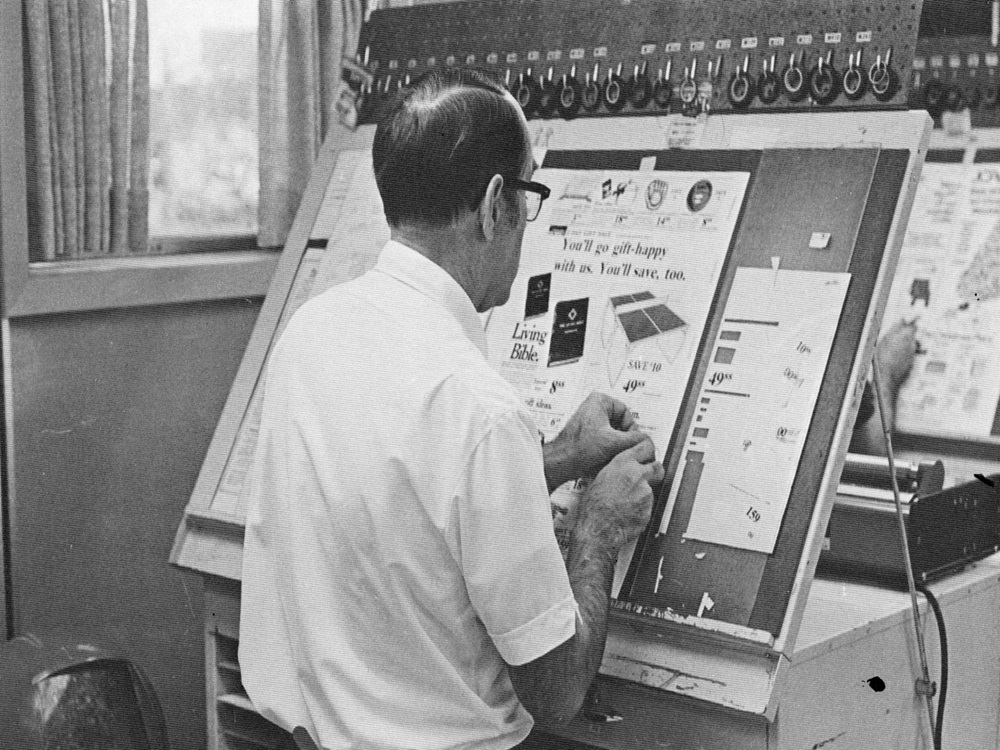
Don’t sleep on the interviews and additional videos on the GRAPHIC MEANS website.