

The consequences of a wrongful conviction do not end when someone walks free. For people who have spent years imprisoned for crimes they did not commit, freedom can bring its own challenges: rebuilding trust, navigating everyday decisions, and finding a sense of security in a world that has changed.
Those realities were at the center of a screening of Stolen Lives at the University of Baltimore School of Law, hosted by the Maryland Office of the
Public Defender (MOPD) Innocence Project Clinic at UBalt Law. The documentary tells
the stories of Sunny Jacobs, who was sentenced to death in Florida, and Peter Pringle,
who was sentenced to death in Ireland. Both were exonerated, and their experiences
illustrate the devastating personal consequences of wrongful convictions and the work
required to rebuild their lives.
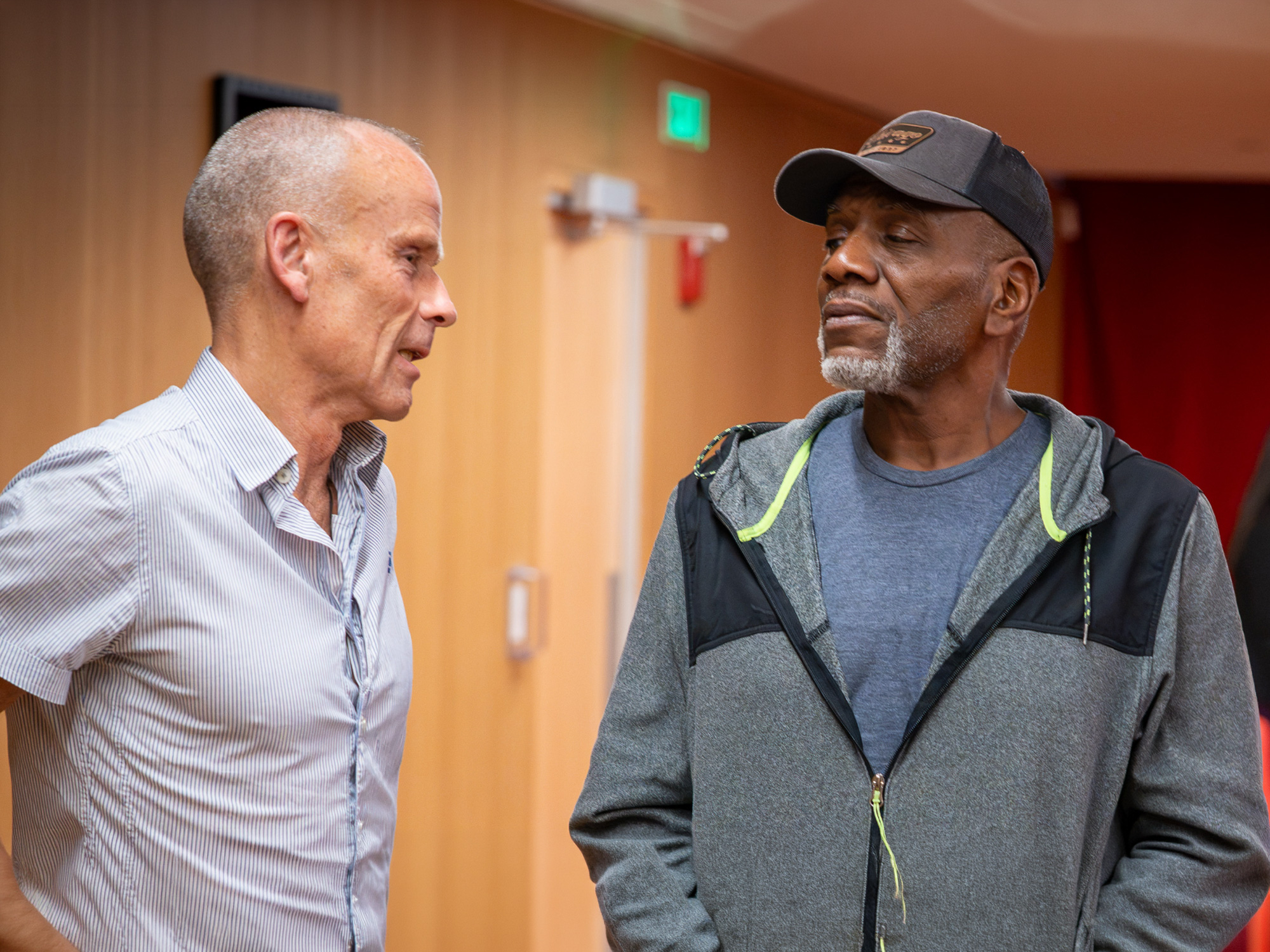
Following the screening, filmmaker Mark Mc Loughlin joined a panel discussion with
legal experts and Douglass Haynie, a former client of the MOPD Innocence Project Clinic
who was exonerated in 2025.
Unlike many accounts of wrongful convictions that culminate in an exoneration, Stolen Lives examines what comes next. Jacobs describes the psychological trauma of wrongful imprisonment
as something “beyond PTSD,” offering a glimpse into the often unseen burdens exonerees
carry long after leaving prison.
During the discussion, Mr. Mc Loughlin reflected on the deep distrust that can follow
years of wrongful incarceration. Building genuine relationships with the people featured
in the film took time, he explained, as did ensuring they had the agency to tell their
stories in their own words.
That lesson resonates with the work of the MOPD Innocence Project Clinic, where law
students work in teams to investigate and litigate claims of wrongful conviction in
Maryland courts. Students learn to approach each case as client-centered advocates,
recognizing that clients may have been failed repeatedly by the legal system and may
struggle to trust the people working to help them.
The clinic’s commitment to its clients also extends beyond exoneration. Students and
clinic staff help returning citizens connect with practical resources, including housing,
employment support, identification documents, and other services.
Mr. Haynie offered a powerful example of that adjustment. After spending years in
an environment where showing emotion or trusting others could create risks, he explained
how learning to accept help was essential to rebuilding his life. Even the experience
of living in a house again took time. The creaking floorboards, doors, and windows
initially left him unsettled, but with the love and support of his girlfriend and
their cat, he has gradually built a sense of security in his new home.
Panelist and Professor of Law at Widener Law, Jonathan Kerr, emphasized that programs
for exonerees should be informed by the people who understand those challenges firsthand.
The discussion also connected the stories in Stolen Lives to broader questions about accountability and systemic failures in the criminal legal
system. The cases depicted in the film arose decades ago, yet the panel noted that
the pressures surrounding high-profile cases and the risk of misconduct remain relevant
to contemporary debates about criminal justice.
For UBalt Law students, the screening offered more than a lesson in wrongful convictions.
It highlighted the responsibility lawyers have to listen carefully, build trust, and
recognize the human consequences of their work.
“For those of us who have not experienced being incarcerated, we can’t know the psychological
burden of having served that time,” said Rachel Bennett, Director, MOPD Innocence
Project Clinic at UBalt Law. One of the clinic’s central lessons suggests, "We have
to learn about it by listening.”
The MOPD Innocence Project Clinic welcomes returning citizens into its community programs
and invites them to share their experiences with students. Those conversations help
future lawyers understand that effective advocacy requires more than legal analysis:
it also demands empathy, patience, and a commitment to seeing clients as whole people.
Through Stolen Lives and the voices of those who have experienced wrongful incarceration firsthand, students
were reminded that the work of justice does not end at the courthouse door. For exonerees,
rebuilding a life takes time, and lawyers have an important role to play in helping
make that possible.