I had to make a decision about creating more focus and choosing what to focus on. This meant choosing what not to focus on, and that meant letting go of certain opportunities. The risk came from thinking that I was limiting my options, but the focus it created ended up being pivotal to my success.

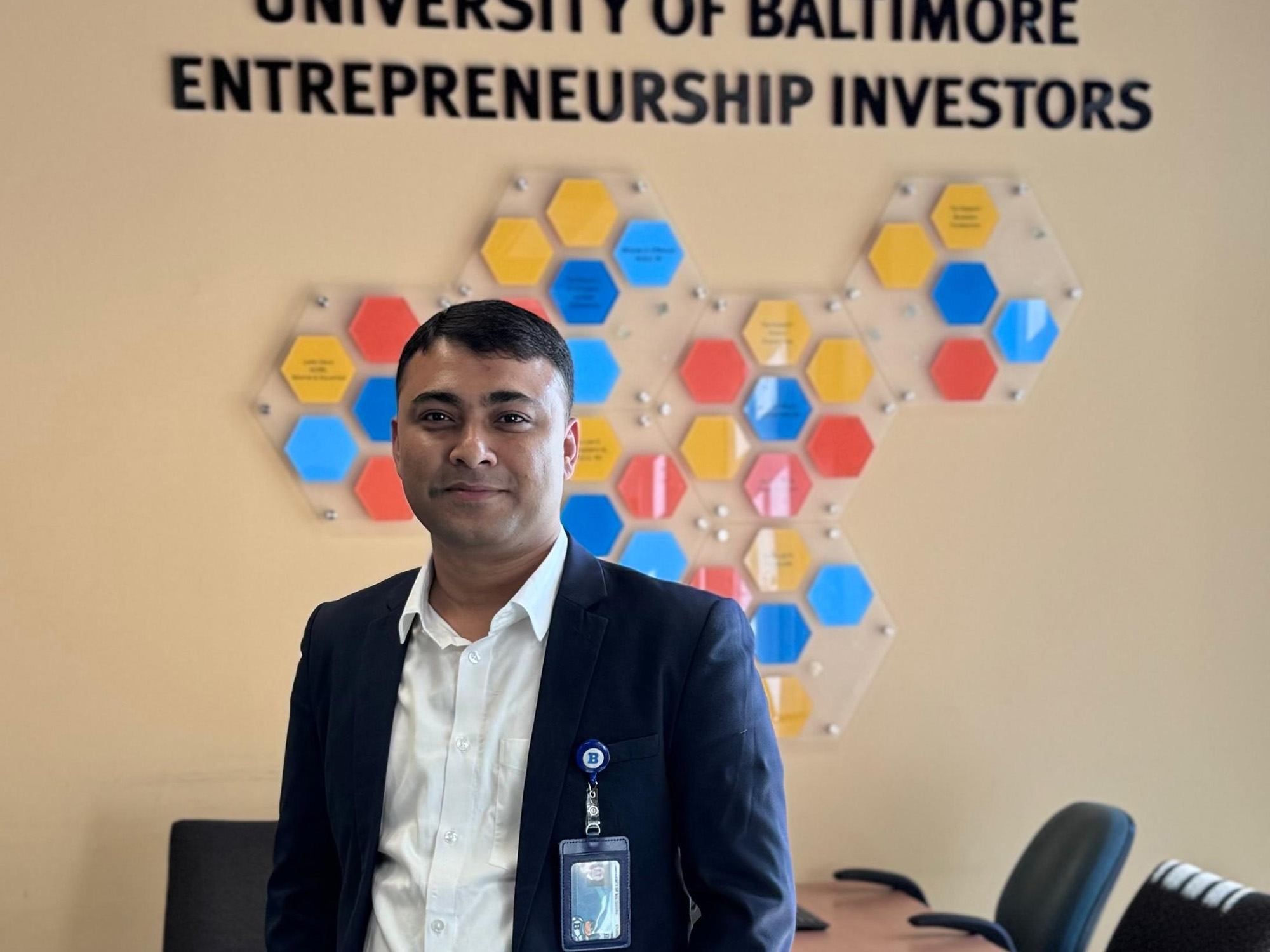
Ope Thomas, B.S. ’18, embodies The University of Baltimore’s commitment to turning relentless drive into undeniable outcomes. Facing a pause in his undergraduate studies, Thomas did not stall; he earned two FINRA licenses and embraced the path that so many of UBalt’s non-traditional students pursue to do to self-fund their degrees. Now with the addition of tangible financial skills, he flourished by teaching more than 10,000 people how to build investment portfolios before completing his bachelor's degree in business administration.
That same tenacity fueled his entrepreneurial rise. While a student in the third cohort of UBalt's Ratcliffe Entrepreneurship Fellows program, he taught himself to code and created more than 75 versions of a machine-learning platform to launch the parking startup app, Roadi.
His strategic vision has consistently yielded dividends, from advising Clymb to secure multiple six figures in seed funding to being an integral part to the strategic management of a $5 billion unit at Cisco, where his initiatives drove a 40 percent year-over-year increase in software sales in just six months. Today, as the leader of Ara Holdings, Thomas continues to build at the intersection of finance and technology, proving that true innovation is forged through hard work and a quiet confidence that cannot be ignored.
We sat down with Thomas to explore his journey and offer advice to our students.
Entrepreneurship requires both vision and grit. What moment during your time at UBalt first made you realize you had what it takes to build something of your own?
"I noticed how easy it was to connect with professors that were open to answering questions and sharing what they know. I applied this access to information while working on a class project to create an analysis that can measure parking usage and recommend parking locations to students based on their class schedule."
What are the most significant business challenges you face in the daily operations
of private legal practice?
"By far the biggest challenge is managing the limited resources of time, money and
human capacity to maximize firm outcomes for the present and future. It is always
a challenge to manage limited resources so that we can both meet our office’s present
needs and build and grow the firm for the future. Firm growth requires the same if
not more focus and intention than managing daily operations and the two are always
in competition."
You've successfully navigated both the corporate strategy world and entrepreneurship.
What have you learned about creating value in different environments—whether you're
working within an established organization or building from the ground up?
"Creating value starts with knowing who you are creating value for."
Looking back at your entrepreneurial journey, what's one challenge you faced that
tested your resilience—and what did that experience teach you about yourself?
"Trying to raise a pre-seed round for the startup while a full-time undergraduate
student"
How do you balance the relationship-building aspects of your work with the strategic goals of growing a business and advancing in corporate strategy?
"I actively seek to strengthen relationships with people and communities that emulate the values that I want to align with. Therefore, I evaluate and reflect on my values."
What skills do you find yourself relying on most in your day-to-day work, whether you're strategizing for a corporation or building your own business? "More and more I find myself relying on time management. That includes finding frameworks, strategies and techniques I can apply to manage my time."

Looking back at your entrepreneurial journey, what's one risk you took that seemed scary at the time but ended up being pivotal to your success?
"I had to make a decision about creating more focus and choosing what to focus on. This meant choosing what not to focus on, and that meant letting go of certain opportunities. The risk came from thinking that I was limiting my options, but the focus it created ended up being pivotal to my success."
What advice would you give to current UBalt students who are interested in entrepreneurship or finance, but aren't sure where to start or how to take that first step?
"Explore your interests and become passionate about your classwork because through ring the classwork you can identify what your interests are."
You're actively engaged in giving back to the community. What advice do you give current students about building a career that's not just successful, but meaningful and connected to the city around them?
"Get involved as much as can. Consider every opportunity you can find to participate in your communities."
What personal or professional goal(s) have you set for yourself this year to continue your growth as an entrepreneur and community leader?
"To learn new skills that involve AI and publish articles that educate and inspire communities in finance, technology and entrepreneurship."