

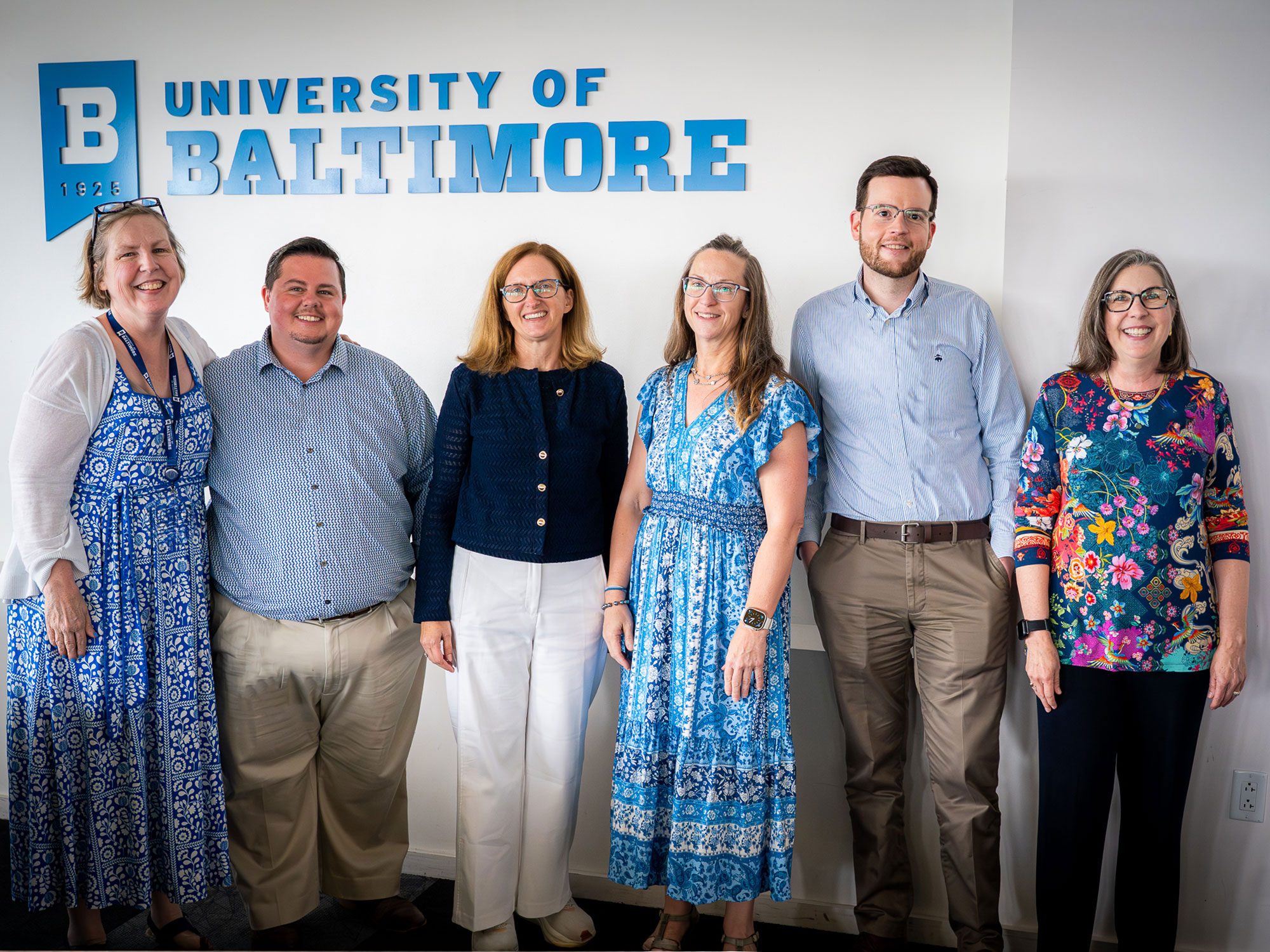
This summer, UBalt Law welcomed legal writing faculty and scholars for the 2026 Capital Area Legal Writing Conference. Hosted at the Angelos Law Center, the conference drew legal educators from across the country for two days of scholarship, collaboration, and practical strategies to strengthen legal education. For UBalt Law, hosting the conference underscored the school's commitment to scholarship, teaching innovation, and experiential learning that prepares students to succeed in practice. That commitment is reflected in the UBalt Legal Writing Program’s recent climb to #16 in the nation in the U.S. News & World Report rankings.

The conference was made possible through the leadership of UBalt Law faculty and staff. Associate Dean Nancy Modesitt coordinated the planning effort, Professor Jessica Wherry developed the conference program, Professor Richard Luedeman managed site logistics, and Professor Afton Cavanaugh oversaw the conference's online presence while securing sponsorship support from AccessLex Institute, Carolina Academic Press, Helix Bar Review, LexisNexis, and Thomson Reuters. Tiffany Ralph coordinated operational details that kept the conference running seamlessly, with support from Dean LaVonda N. Reed.
Professor Cavanaugh said, “UBalt’s leadership in legal writing means more than sharing our own ideas; it means bringing together experts and thought leaders, engaging with them, and creating spaces where the field can learn and grow collectively.” Creating a welcome space for engagement was a priority in developing the conference program. Professor Wherry noted, “The conference was an ideal opportunity for first-time presenters to share their ideas in a welcoming and supportive space. We encouraged first-time presenters by offering mentorship and intentional programming to balance expertise levels.”
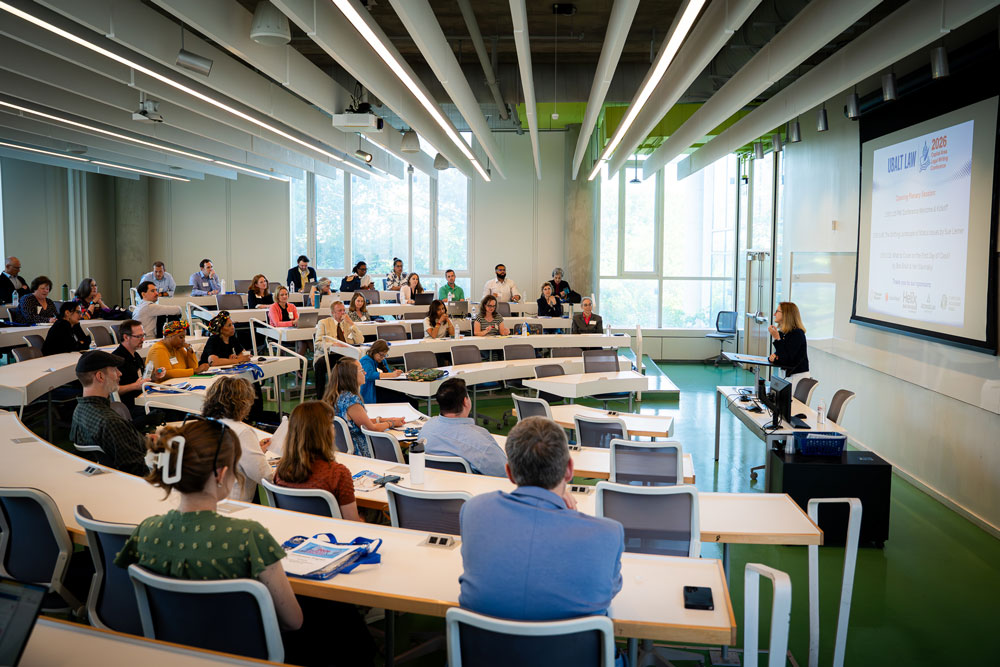
The conference theme, "Legal Writing in Transition: Teaching for a Changing Profession," invited conversations about the challenges facing legal education as it grapples with rapid technology changes and shifting student expectations. Across 26 presentations, faculty explored topics including the NextGen Bar Exam, generative artificial intelligence, professional identity formation, and new approaches to developing the analytical, writing, and advocacy skills today's lawyers need. The conference program balanced emerging scholarship with practical classroom applications.
"Legal writing is at the heart of legal education and lawyering," said Associate Dean Modesitt. "This conference gave us the opportunity to bring together educators from across the country to share ideas, challenge one another, and explore new approaches to preparing students for the realities of modern legal practice. We were proud to showcase UBalt Law's commitment to innovation, collaboration, and excellence in legal writing education."

The conference's concluding session, led by Professor Wherry and Professor Frances DeLaurentis of Georgetown Law, invited participants into small-group discussions exploring how generative AI is reshaping professional identity. Participants discussed how to teach and reinforce competence, independent judgment, and lawyer supervision in the evolving world of lawyering with generative AI. This final session was a powerful end to the conference, leaving participants energized and open to new ideas.
Hosting the conference was also an important investment in the broader legal writing community. After the recurring Capital Area Legal Writing Conference was revived in 2025 following a hiatus during the COVID-19 pandemic, UBalt Law volunteered to host the 2026 event to ensure the annual gathering would continue. Spurred by the enthusiasm generated throughout the conference, the University of the District of Columbia now plans to host the 2027 conference, continuing the momentum and strengthening the community of legal writing educators and scholars.