

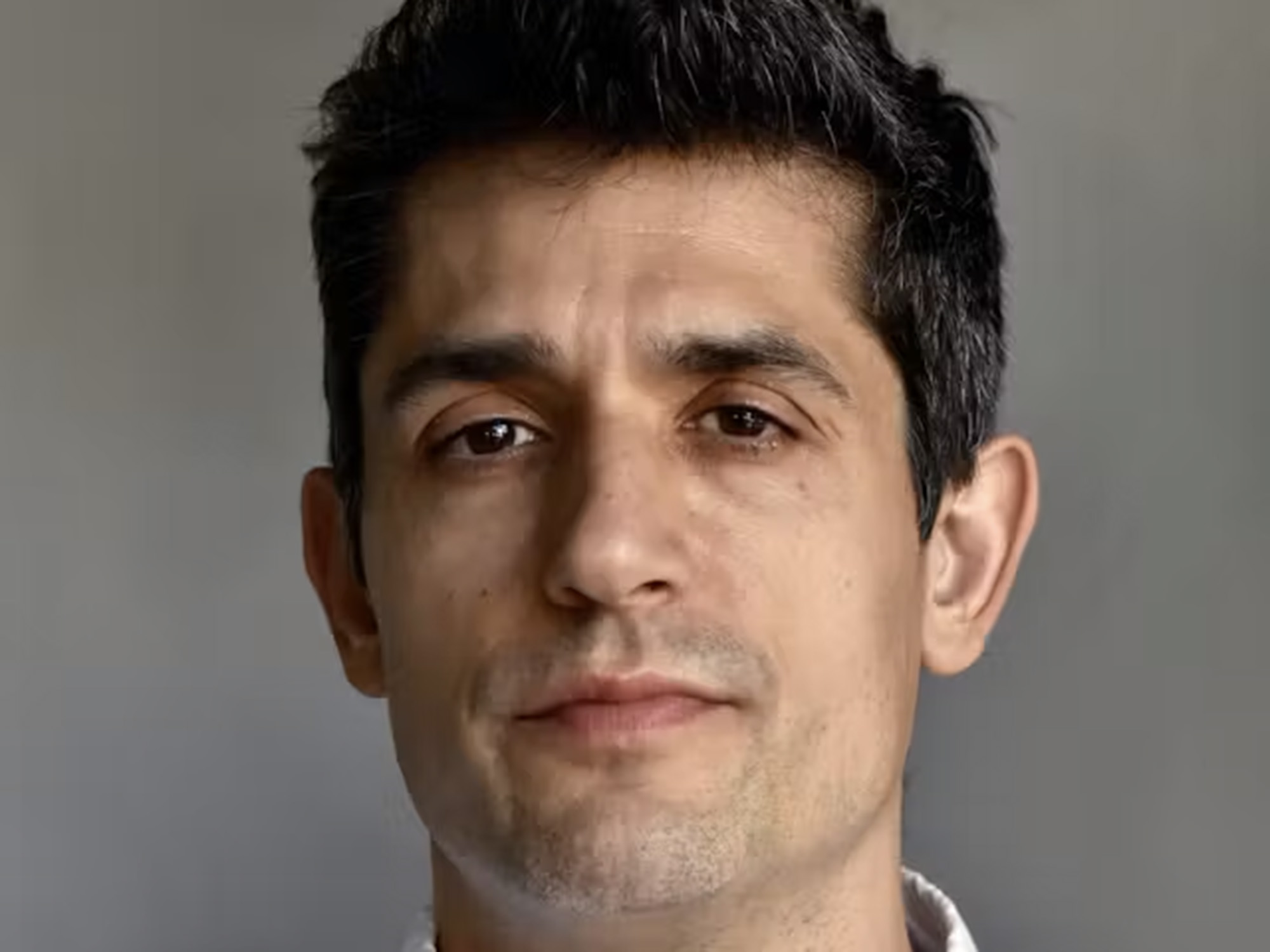
Speaking on the Everyday Injustice podcast, Joshua Clark Davis, associate professor of history and the author of several books covering 20th century American history with a focus on social movements, policing, urban history, and African American history, says that there is still much to learn about the impact that police-led and -directed violence had on the civil rights movement.
Dr. Davis's latest book, Police Against the Movement: The Sabotage of the Civil Rights Struggle and the Activists Who Fought Back, examines an extended struggle between law enforcement and civil rights activists—a topic that he says resulted in iconic images from the movement, but relatively little in terms of public understanding of the issue.
"Historians have said very, very little about what the civil rights movement did to organize against police violence," he said on the program, noting that while the federal government received sharp criticism when violence broke out during civil rights protests, local police contributed to the problem in equal proportions.
In introducing Prof. Davis and the topic, the podcast notes that he "challenges conventional narratives that frame police brutality as something endured rather than actively resisted, arguing instead that civil rights activists across the country directly organized against policing practices and state repression."
Released in October 2025, Police Against the Movement "shatters one of the most pernicious myths about the 1960s: that the civil rights movement endured police violence without fighting it," according to its publisher, Princeton University Press. "Instead, as Joshua Clark Davis shows, activists from the Congress of Racial Equality and the Student Nonviolent Coordinating Committee confronted police abuses head-on, staging sit-ins at precinct stations, picketing outside department headquarters, and blocking city streets to protest officer misdeeds. In return, organizers found themselves the targets of overwhelming political repression in the form of police surveillance, infiltration by undercover officers, and retaliatory prosecutions aimed at discrediting and derailing their movement."
Listen to the the Everyday Injustice podcast featuring Prof. Davis.
Learn more about about Prof. Davis.