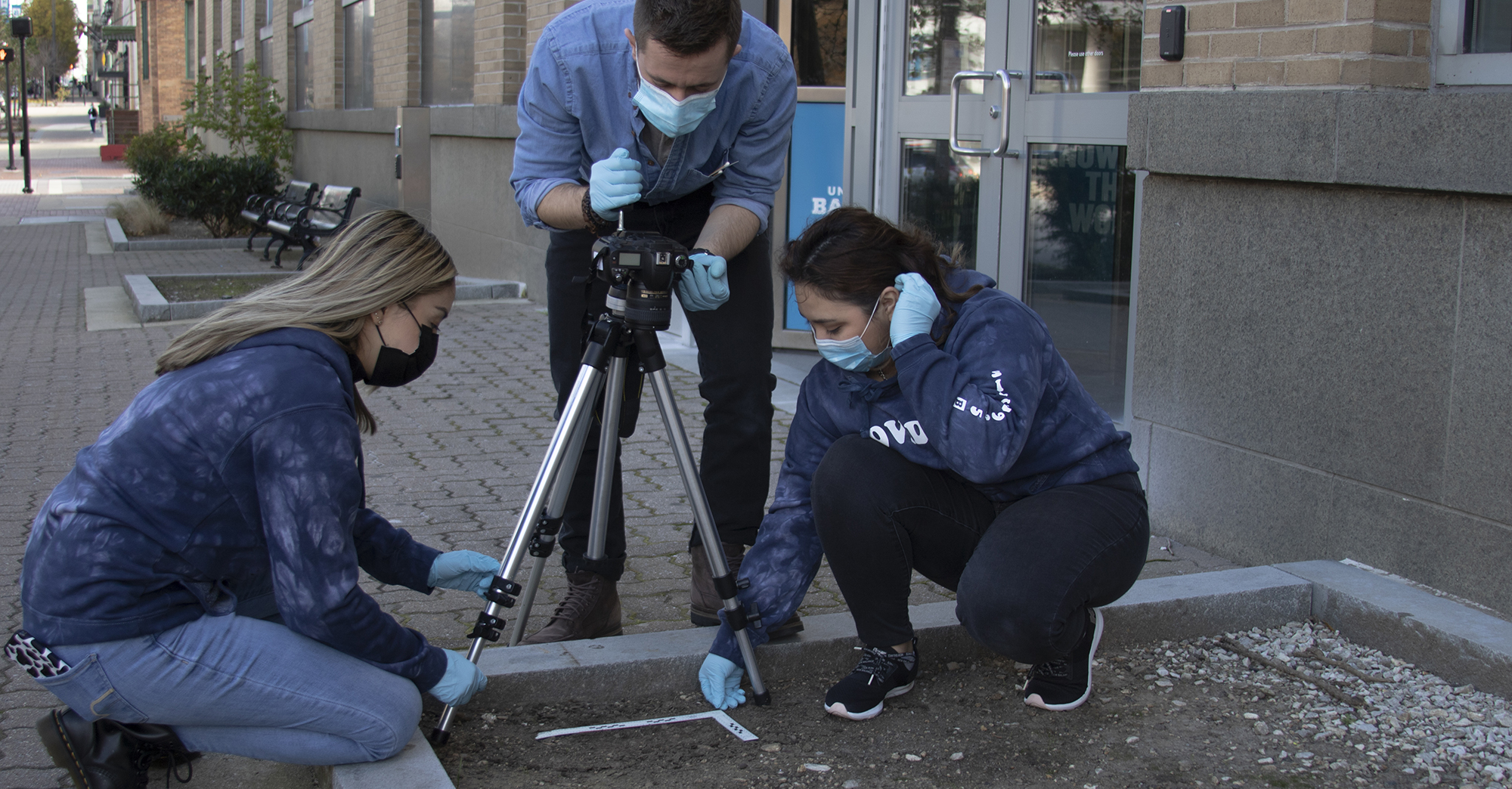
Our Bachelor of Science program brings you as close to real-world forensic studies as possible.

Accelerated Bachelor's to Master's Option

Undergraduate
Tuition and Fees
A program in the School of Criminal Justice
The Bachelor of Science in Forensic Studies is offered as a single track with an emphasis on forensic investigation, preparing students to examine evidence, analyze information and support investigative processes within justice and public service settings. The program combines theoretical foundations with applied learning to help students develop practical, career-relevant skills.
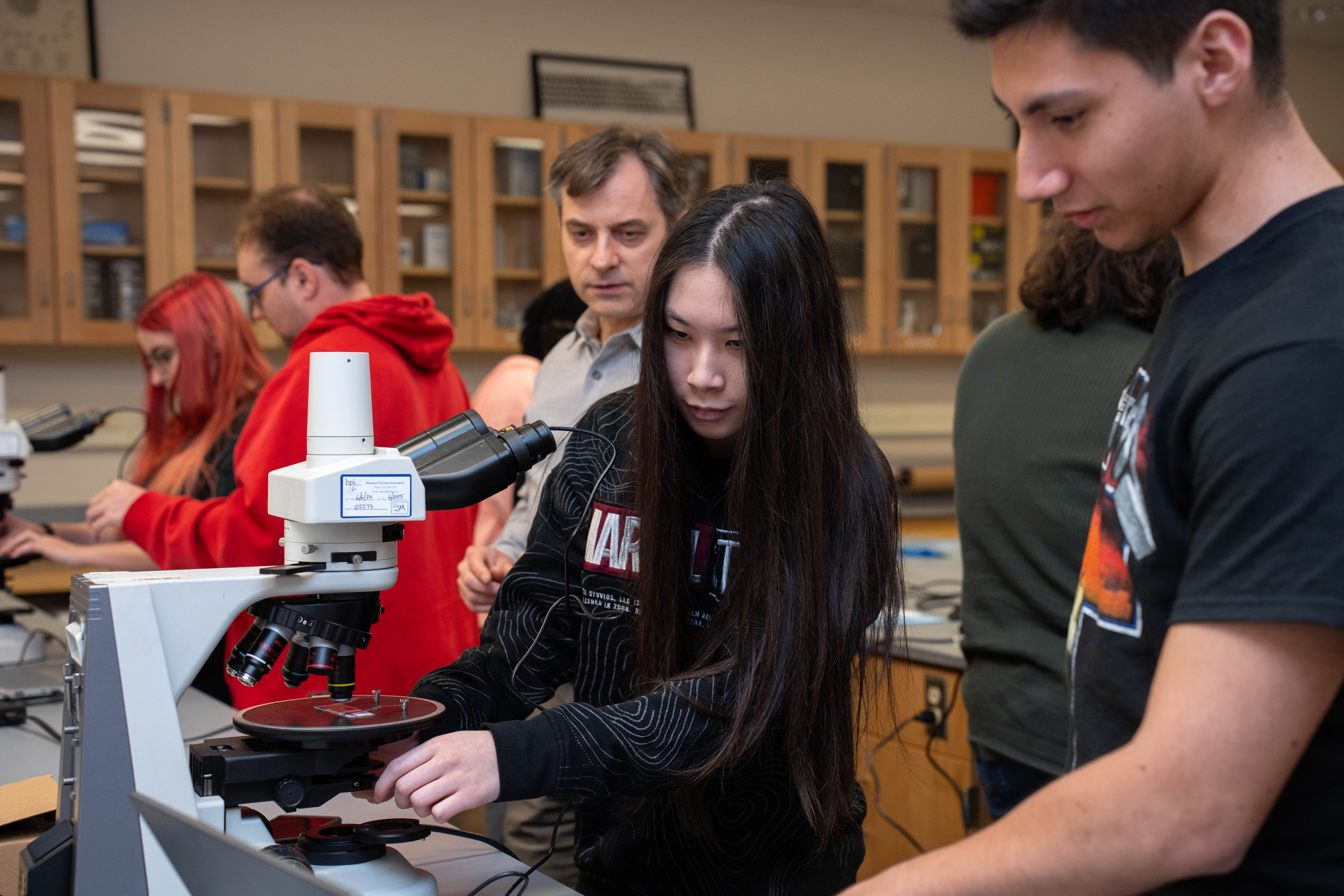
Students gain experience with evidence handling, forensic analysis, and investigative techniques through coursework that integrates laboratory instruction, hands-on learning, and real-world investigative practice. Experiential learning opportunities, including internships and field-based experiences, allow students to apply forensic theory and methods in professional contexts.
Graduates of the program are prepared for roles that require attention to detail, analytical reasoning, and an understanding of investigative systems across criminal justice, public safety, and related fields.
We get hands-on experience. It's the type of stuff we'll be expected to do when once we get a job. We learn a lot about physics, chemistry, some biology and math and a lot of that is applicable in other fields as well. ... These classes have really helped me to understand methods and procedures. We really are taught to be as careful as possible. It’s conditioning us to be much more careful about the way we act, the way we think, and to consider that not everything we have is rock solid, and to constantly seek more and not be satisfied with what we have right now.
The Maryland Police Officer Scholarship is awarded to current police officers or individuals planning to become a police officer, who are enrolled in an academic program that furthers their career in law enforcement. Recipients must pledge to work as a police officer in the state upon completion of their studies.
Who May Apply?
Students that are current police officers or individuals planning to become a police officer after graduation who are:
Learn more about The Maryland Police Officer Scholarship Program.
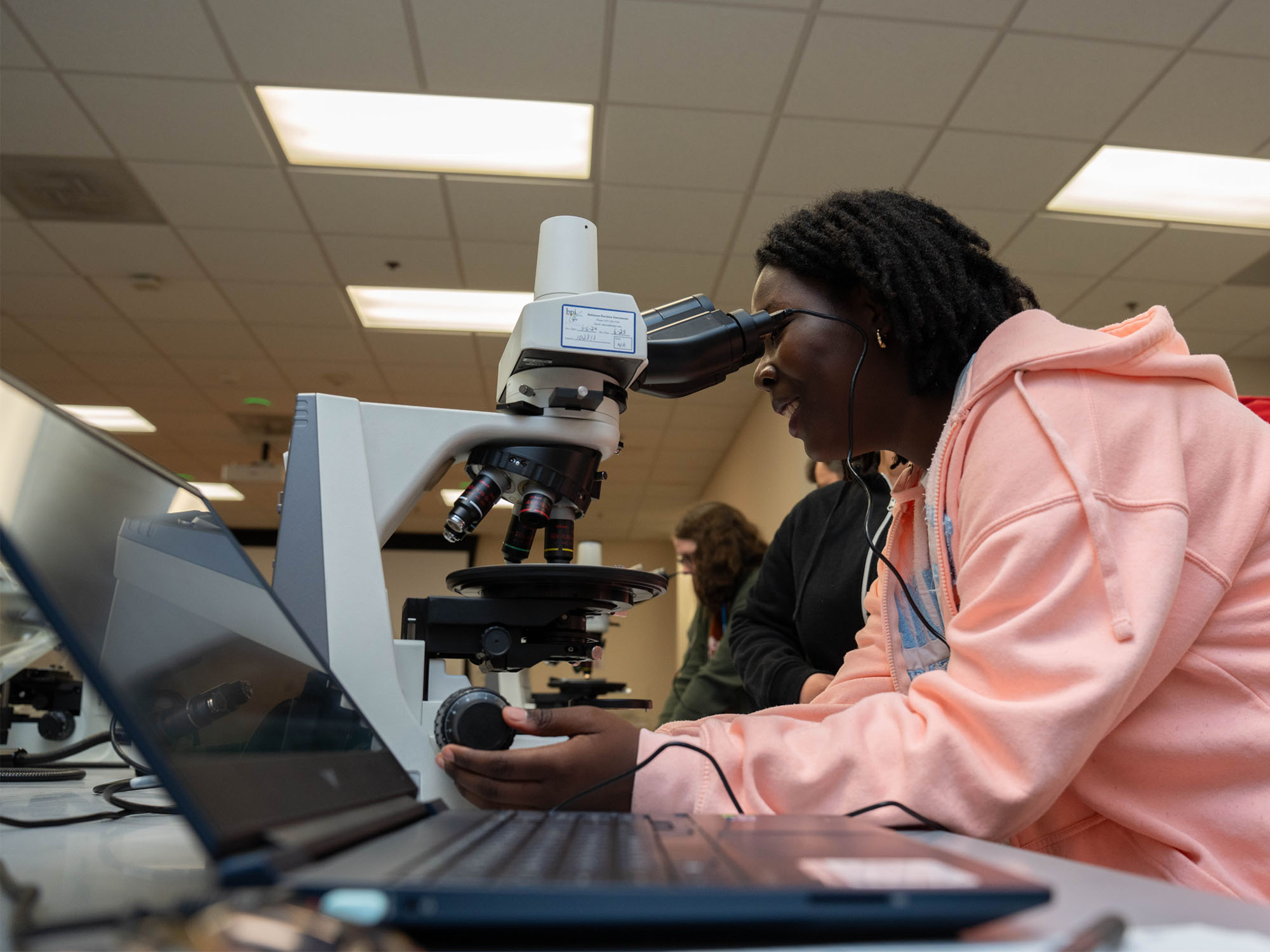
Read Full StoryI really enjoy learning how to work in a lab setting. ... It definitely gives you a better impression of what your future career is going to be like and gives me a better idea of where I'm heading.
UBalt Forensic Studies students tour the Baltimore Police Department's forensics lab

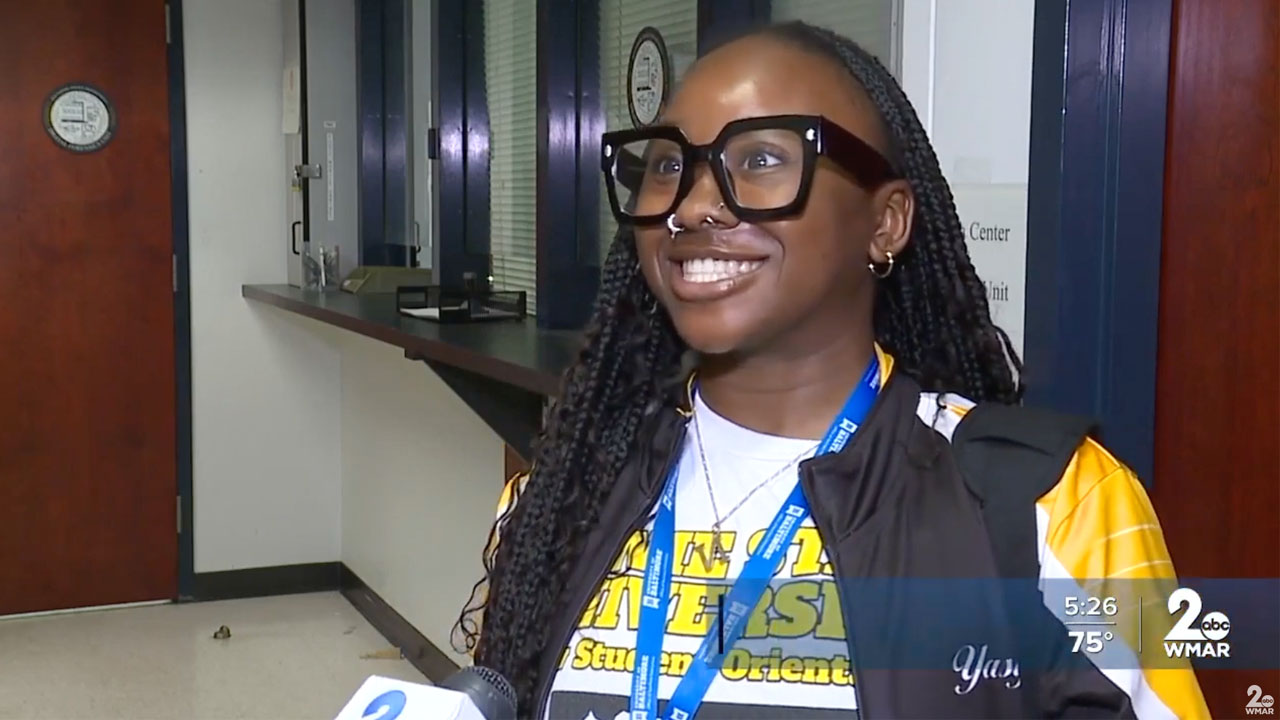
From fingerprints to blood splatters. WMAR-2 News Baltimore followed a group of UBalt Forensic Studies students as they toured the Baltimore Police Department's forensics lab and got to see firsthand how forensic scientists go about solving crimes.