The Office of Sponsored Research (OSR) serves as the University's central resource for externally funded grants, contracts, and research compliance activities.
As the official office of record, OSR facilitates partnerships between university faculty, staff, and external funding agencies that support research, scholarship, creative activities, and public service initiatives. In addition to supporting sponsored
programs, the Office of Sponsored Research oversees the Institutional Review Board (IRB), ensuring the ethical conduct of research involving human participants and compliance with applicable federal regulations and institutional policies. Our team works closely with investigators throughout the proposal development and submission process to ensure compliance with university policies, sponsor requirements, and state and federal regulations. We also provide comprehensive budget review and guidance to ensure that project costs are accurate, allowable, and aligned with funding guidelines. By supporting faculty and staff from project development through award administration and research compliance, the Office of Sponsored Research helps advance innovative research, strengthen community partnerships, and promote the University's mission of academic excellence and public impact.
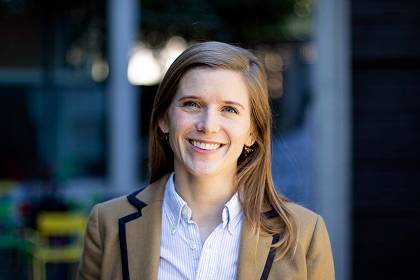
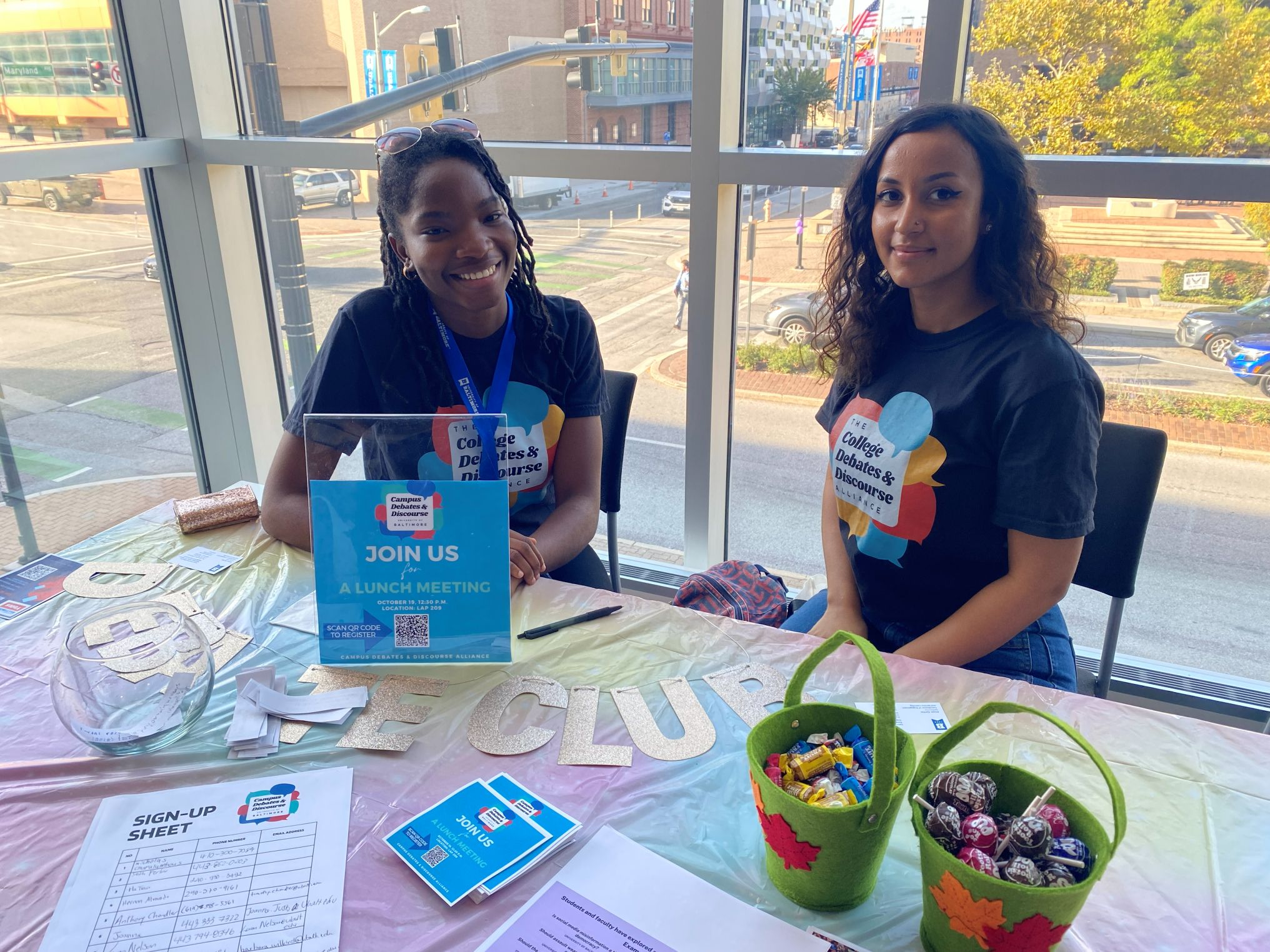
Dr. Jennifer Keohane worked on a grant to study non-competitive debate with the College
Debate and Discourse Alliance (CD&D). CD&D, a national nonprofit, received a $1.3
million grant from the John Templeton foundation to study whether the debate activities
we had been hosting had an impact on college students.
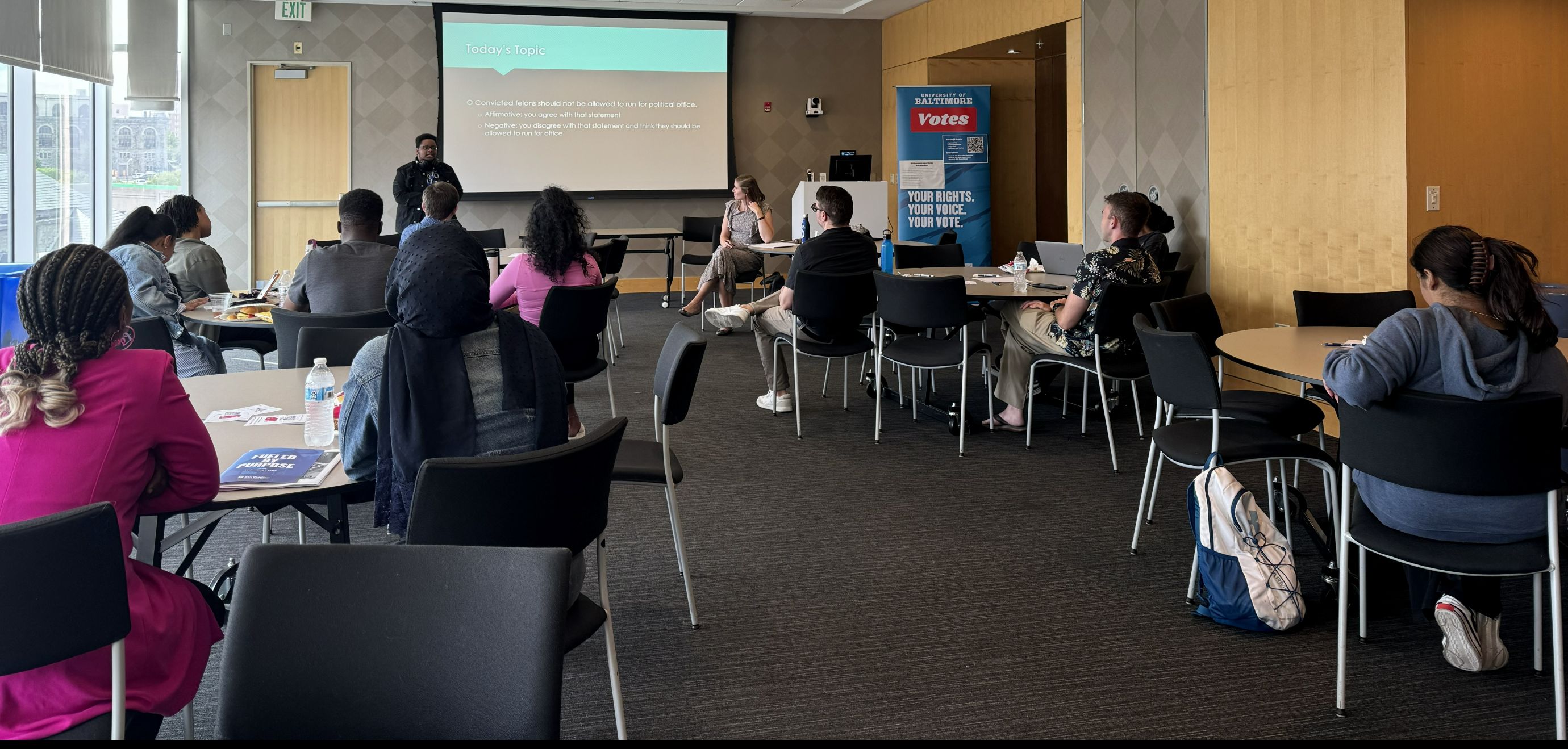
To that end, CD&D identified 10 partner campuses, ranging from community colleges to selective four-year institutions, including the University of Baltimore. A faculty fellow at each partner campus worked with two student fellows, funded with stipends from the grant, to host debates on campus and in classrooms and to administer a survey. The survey asked students to share their experiences at the debate and measured intellectual virtues such as open-mindedness and a willingness to listen.
After 4,000 pretests and 2,000 posttests across the 10 schools, the survey found that although there were no significant changes in the intellectual virtues measured from the pre to posttest, when the intellectual virtues were activated at a debate, they predicted a greater willingness to engage in political discussions and get involved in political activities. For example, those with stronger intellectual curiosity after attending a debate reported a greater likelihood of future participation in civic activities than did those who reported less intellectual curiosity. So, the debates provided a context by which the intellectual virtues of humility, curiosity, and effortful listening predicted greater behavioral intentions
at least in the political domain.
One of the other goals of the grant was to create self-sustaining communities of practice for debate and civil dialogue across campus. Now, about two years after the grant ended, UBalt is indeed a sustained community of practice. The UBalt chapter of the College Debate and Discourse Alliance is a registered student organization on our campus and hosts events every semester!